


Commercial Heaters


 The 2kW Aureum Comet infrared heater is a compact and weatherproof low glare heater producing instant and comfortable heat, the perfect indoor heater and outdoor heater.
- Heat up to 12m²
- Rated IP24 protection
- Highly Energy Efficient
- Safety Guard


Tansun Apollo A1A2 is powerful heater suitable for heating medium sizes commercial and industrial areas. Available in 1.5kW
- Heat up to 16.7m2
- Highly Energy Efficient
- Flexibility in Installation
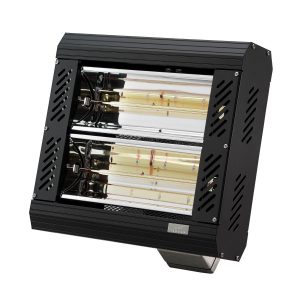
Tansun Apollo A1B2 is an ideal heating solution for commercial and industrial establishments. Available in 3.0kW.
- Heat up to 24.7m2
- Flexible Swivel Bracket
- Highly Energy Efficient

Tansun Apollo A1C2 is a high powered infrared heater that can heat even large open commercial and industrial areas. Available in 3.0kW, 4.5kW and 6.0kW.
- Heat up to 30m2
- Single Phase
- Flexible Swivel Bracket
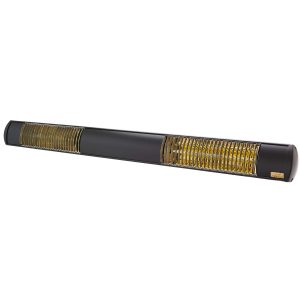
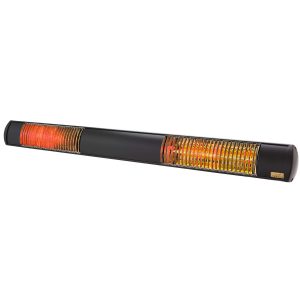
The Tansun Bahama Double 3.0kW offers optimum heating results across many commercial, industrial and domestic environments.
- Heats up to 22m2
- High IP Rating
- Glare Reducing Gold Reflectors
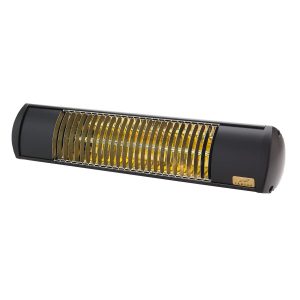

The Tansun Bahama Single 1.5kW is an ultra low glare infrared heater ideal for various commercial or domestic applications, and is the perfect parasol and awning heater.
- Heats up to 12m2
- Glare Reducing Gold Reflectors
- Safety Guard
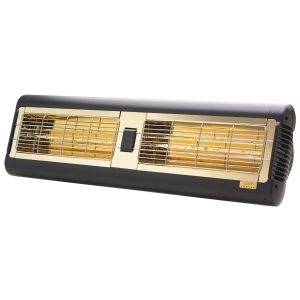
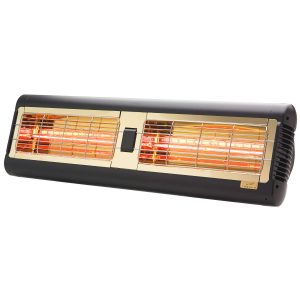
The Tansun Monaco Double 3.0kW is a powerful ultra low glare infrared heater. Ideal for heating large indoor and outdoor areas.
- UK Manufactured
- Heats up to 26m2
- High IP Rating
- Gold Reflectors
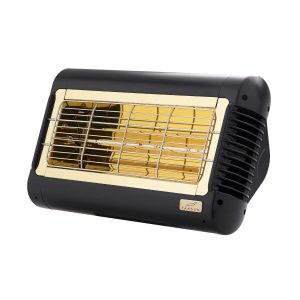
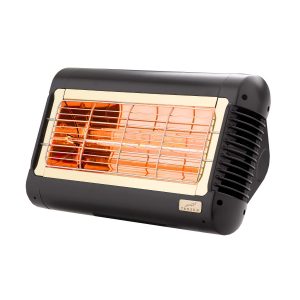
The Tansun Monaco Single 1.5kw is an ultra-low glare infrared heater suitable for outdoor bar and restaurant heating and terraces.
- Heats up to 11m2
- Glare Reducing Gold Reflectors
- High IP Rating

The Tansun Monaco Single 1.5kw is an ultra-low glare infrared heater suitable for outdoor restaurant and bar heating and terraces.
- Heats up to 11m2
- Gold Reflectors
- High IP Rating
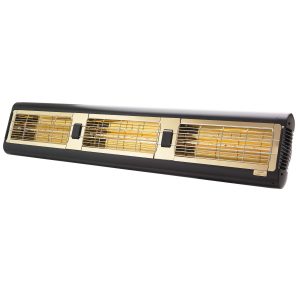
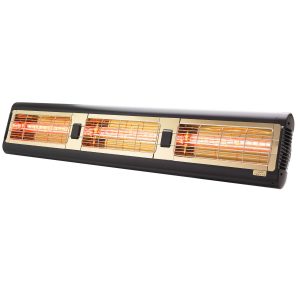
The Tansun Monaco Triple 4.5kw is the perfect solution for larger commercial, industrial or even domestic applications. Can be used both indoors and outdoors
- UK Manufactured
- Heats up to 36m2
- High IP Rating
- Gold Reflectors


The Tansun Rio Grande Double 3.0kW offers optimum heating results to large indoor and outdoor areas. Ideal heating solution for any commercial or home establishment.
- Heats up to 22m2
- High IP Rating
- High Efficiency

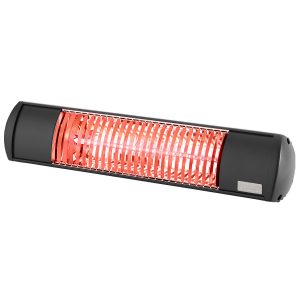
The Tansun Rio Grande Single is a discreet heating option, available in 1.5kW and 2.0kW power configurations. The Ideal solution for commercial heating or domestic heating.
- Heats up to 12m2
- High IP Rating
- Safety Guard
Premium Commercial Heaters for Indoor and Outdoor Spaces
Welcome to our comprehensive selection of high-performance commercial heating options, meticulously engineered to deliver unparalleled warmth to the most demanding professional environments. Whether you are outfitting a busy distribution centre, an outdoor hospitality venue, or a draughty customer showroom, finding the right industrial heating solution is critical for maintaining comfort while strictly controlling operational costs.
Traditional heating methods often struggle when deployed in large spaces. Systems reliant on convection waste immense amounts of energy by attempting to heat massive volumes of air, which inevitably escapes through constantly opening doors, uninsulated roofs, or high ceilings.
In stark contrast, our premium selection of infrared heaters provides a direct, highly efficient alternative. By harnessing the power of shortwave and medium-wave quartz technology, these powerful space heaters deliver instant radiant heat that warms people and solid objects directly, rather than the surrounding air. This scientifically proven approach ensures maximum thermal comfort precisely where it is needed most, making our extensive heating range the most cost effective choice for modern, eco-conscious businesses.
The Science of Energy Efficiency
Understanding the actual energy consumption of your building is essential for facility managers and business owners facing rising utility rates. The advanced heating systems in our catalogue operate with remarkable effectiveness, boasting energy conversion rates of around 98%. This phenomenal metric means that our units directly convert almost all of the electrical energy drawn from the grid into usable, comfortable heat.
Because of this direct transfer of warmth, an infrared unit can often be up to 40% smaller in output than a conventional warm air heater while still producing the exact same level of perceived warmth. For example, a 400W infrared panel can easily match the thermal output of a bulky 1kW conventional radiator. For businesses looking to implement significant energy savings across their entire estate, transitioning to modern quartz and ceramic technology can reduce overall heating bills by an impressive 30% to 70% compared to traditional convection systems or outdated gas-powered alternatives.
Creating Targeted Heating Zones
One of the greatest operational advantages of deploying a modern industrial heater utilizing directional infrared technology is the ability to create precise, independently controlled heating zones. In expansive facilities like aircraft hangars, factories, or exhibition halls, it is entirely unnecessary—and financially ruinous—to maintain a uniform ambient temperature across the entire square footage.
By strategically placing wall-mounted, suspended, or ceiling-recessed radiant units, you can direct high-intensity warmth exclusively to specific areas where staff actively work, operators run machinery, or customers sit. This intelligent zonal approach means that dormant areas, storage aisles, or high-level ceiling voids remain unheated, drastically slashing unnecessary energy consumption. By integrating these units with smart digital controllers, time lag switches, or motion sensors, you can further optimize your commercial heating strategy. This ensures the system only draws power when personnel actually occupy a given zone.
Tailored Applications for Diverse Commercial Sectors
Our robust heating units are versatile enough to overcome the unique thermal challenges of virtually any commercial environment. By carefully matching the right technology to the right application, you can guarantee a rapid return on your investment.
Logistics, Warehousing, and Manufacturing
Draughty loading bays, massive storage facilities, and uninsulated factories require heavy-duty warehouse heaters to combat harsh winter temperatures. High-wattage quartz infrared units (like the Tansun Apollo series) offer massive outputs ranging from 1kW all the way up to 18kW configurations. Because shortwave infrared cuts directly through cold air and wind without being blown away, it provides powerful, focused heat capable of keeping stationary assembly line workers perfectly comfortable even when the massive roller-shutter doors are wide open.
Retail Spaces and Customer Showrooms
Maintaining a welcoming temperature in retail spaces can be incredibly difficult, especially on the high street where front doors are constantly opening and closing. Slimline radiant heat panels provide an unobtrusive, elegant solution. Designed to blend seamlessly into standard suspended ceiling grids or mount flush against walls, these panels offer gentle, silent warmth. They do not circulate dust, allergens, or dry out the air, creating a much more pleasant shopping experience for customers compared to noisy, dry fan heaters.
Hospitality, Leisure, and Outdoor Dining
Pub gardens, restaurant terraces, and al fresco dining areas rely heavily on weatherproof heating to maximize their usable square footage year-round. Units equipped with gold-plated reflectors and ultra-low glare lamps provide comfortable, ambient warmth without emitting harsh, blinding red light. By extending your outdoor seating season through the autumn and winter months, a targeted outdoor system rapidly pays for itself in increased food and beverage revenue.
Community, Education, and Public Buildings
Churches, village halls, schools, and sports stadiums present a unique challenge: they are often cavernous spaces that are only occupied for a few hours a week. Traditional boiler systems require hours of expensive pre-heating just to bring the ambient air up to a tolerable temperature. Infrared technology requires absolutely zero pre-heating time. You simply switch the units on as the congregation or spectators arrive, instantly warming them from the moment they sit down.
Selecting the Correct Heating Specification
To guarantee optimal performance, safety, and longevity, it is vital to select a unit with the correct heating specification for your unique architectural layout. Choosing the wrong unit can lead to cold spots or wasted electricity.
- IP (Ingress Protection) Ratings: If the heater will be exposed to the outside elements, installed under an uncovered patio, or used in damp industrial washdown areas, you must select a fully waterproof unit. Look for specifications detailing IP55 or IP65 ratings, which certify that the internal electrical components are completely sealed against dust ingress and low-pressure water jets.
- Wattage and Mounting Height: The power output of the unit dictates how high it can be safely mounted. High-powered industrial units must be mounted high up in the rafters to ensure a wide, safe dispersal of heat. Conversely, lower-wattage radiant panels (such as 300W or 600W units) are perfectly suited for lower ceilings in offices or standard retail environments where they sit closer to the occupants.
- Shortwave vs. Medium Wave Technology: Shortwave quartz heaters provide intense, glowing heat that is highly wind-resistant, making them the only choice for outdoor spaces or draughty warehouses. Medium-wave ceramic heaters and radiant panels do not emit light and provide a gentler, enveloping heat, making them ideal for enclosed indoor spaces with lower ceilings.
How to Calculate the Correct Output for Your Space
While our expert Design Service is always available to plot your exact requirements, it is helpful to understand the basic mathematics behind sizing an installation. When utilizing convection heating, engineers must calculate the total cubic volume of the room (Length x Width x Height). However, because radiant heat only warms the surface area it touches, you only need to calculate the square meterage of the specific floor area you wish to heat. As a general rule of thumb for standard indoor commercial applications, you will require approximately 150W to 250W of power per square meter. For highly exposed outdoor areas or exceptionally draughty facilities, this requirement can increase to 300W to 400W per square meter to effectively cut through the cold air displacement. By understanding these baseline metrics, facility managers can accurately project the total kilowatt (kW) load required across their entire floorplan, ensuring no capital is wasted on over-specified equipment.
Environmental Impact and Sustainability Goals
As businesses across the UK and Europe face increasing legislative pressure to reduce their carbon footprint and hit strict net-zero targets, transitioning away from fossil fuel-based heating is no longer optional. Traditional gas and oil-fired systems produce significant on-site emissions. By upgrading to a modern electric infrastructure, you immediately eliminate localized greenhouse gas emissions. Furthermore, when these electric systems are paired with a renewable energy tariff—such as commercial solar PV arrays or wind-generated grid power—your entire facility’s heating infrastructure becomes 100% carbon neutral. This high level of energy efficiency ensures that you draw the absolute minimum amount of green energy required to keep your workforce safe and comfortable, aligning perfectly with modern corporate social responsibility (CSR) initiatives.
Commercial Heating: Frequently Asked Questions
Why are infrared systems considered more cost effective than convection heating?
Convection systems work by heating the ambient air, which naturally rises to the ceiling, wasting massive amounts of energy in buildings with high roofs. Infrared technology emits harmless electromagnetic waves that travel through the air unhindered, converting to heat only when they strike a solid object, floor, or person. This direct transfer completely eliminates heat loss from draughts and guarantees massive reductions in your utility overheads.
Are these heaters safe for enclosed indoor environments?
Absolutely. Unlike gas patio heaters or industrial blowers that produce harmful emissions and require heavy ventilation, our electric range operates silently and hygienically. Because they do not rely on fans, they do not circulate dust, allergens, or bacteria around the room. This makes them the safest and cleanest choice for hospitals, food processing plants, laboratories, and high-end showrooms.
Can I control different areas of my facility independently?
Yes, this is one of the primary benefits of the technology. By wiring your units into a centralized digital thermostat, a multi-zone receiver, or simple push-button time lag switches, you can program bespoke schedules for individual bays or desks. This level of micro-control ensures you never pay to heat an empty room, further maximizing your operational efficiency.
Do these systems require regular maintenance or servicing?
No. Unlike gas boilers, heat pumps, or forced-air systems that require annual safety certifications, pipework flushing, and filter replacements, electric infrared units possess absolutely no moving parts. Once installed by a qualified electrician, they are essentially maintenance-free. The premium lamps are designed for thousands of hours of continuous use, and the reflective housings simply require an occasional wipe-down to maintain peak performance.
Tansun heaters are designed and manufactured for outdoor use. They can be used indoors but should be used in conjunction with suitable energy saving controllers. For further info contact us.